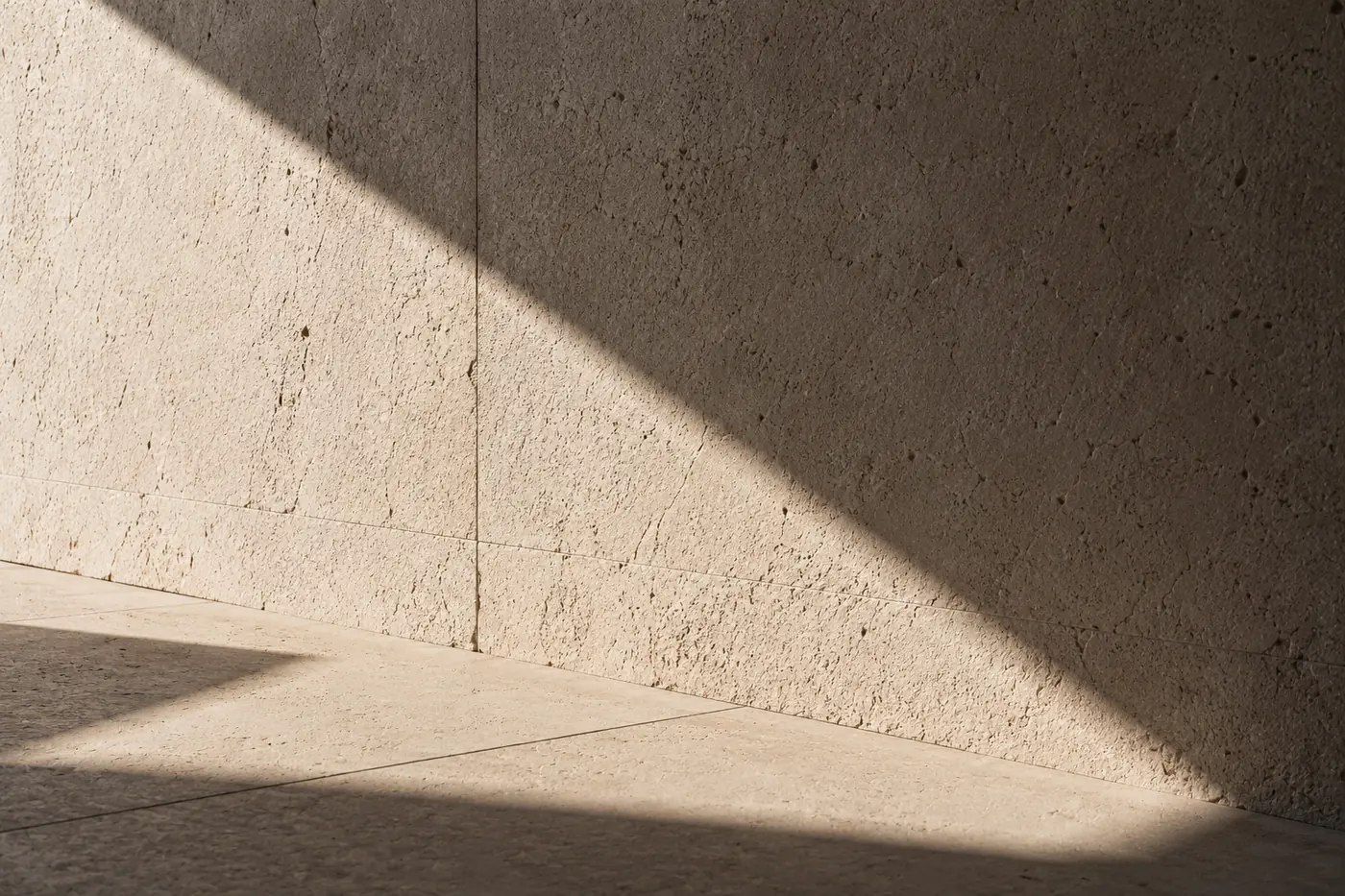
Field Note 001
Every Object Begins in the Landscape
Before there is a vessel, a bowl or a cup, there is a landscape. Why a landscape architect makes objects — the founding note of the practice.
Read
Before there is a vessel, a bowl or a cup, there is a landscape. Why a landscape architect makes objects — the founding note of the practice.
Read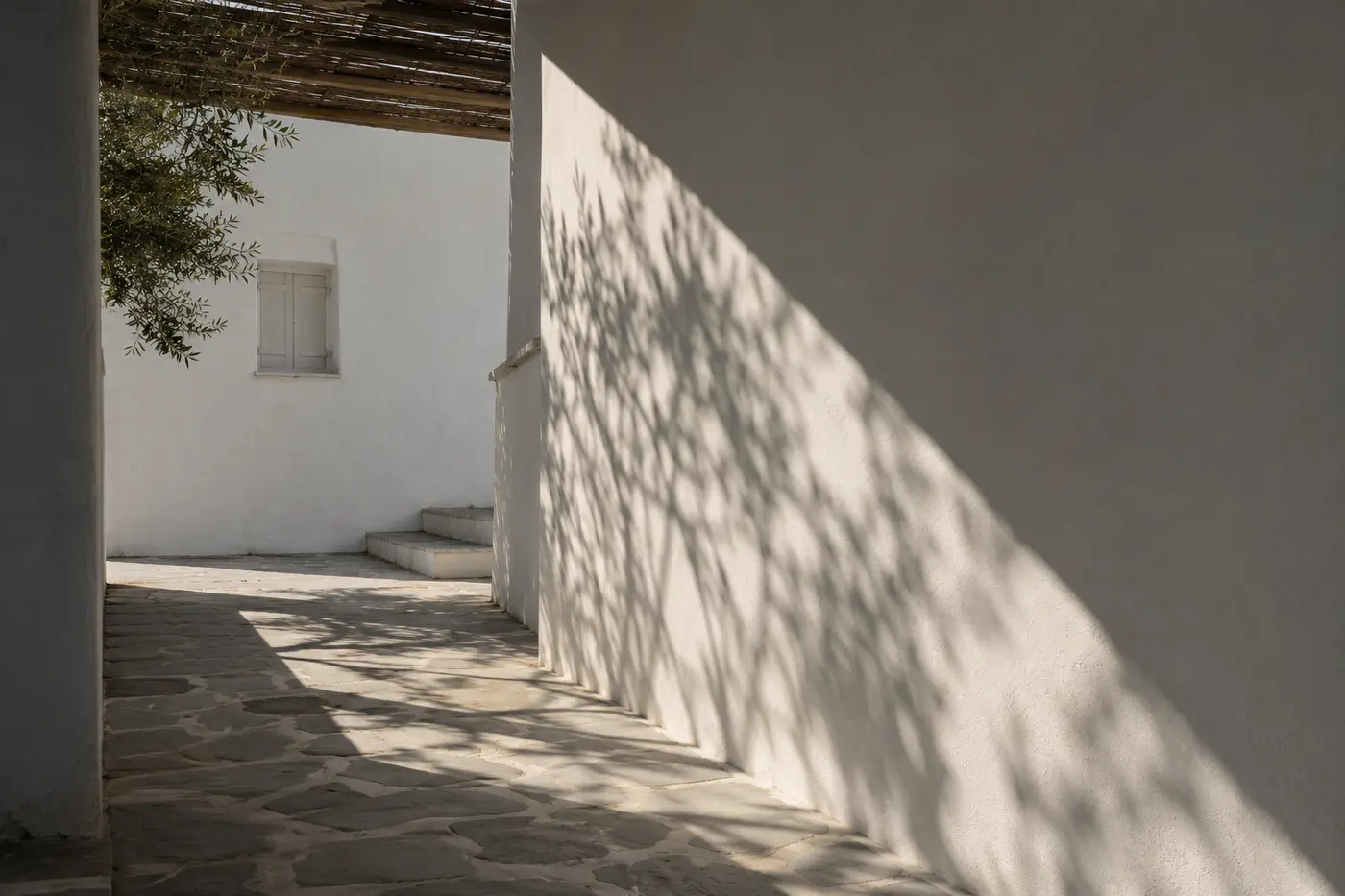
Shade is not the absence of light. It is one of the most carefully designed spaces in the Mediterranean.
Read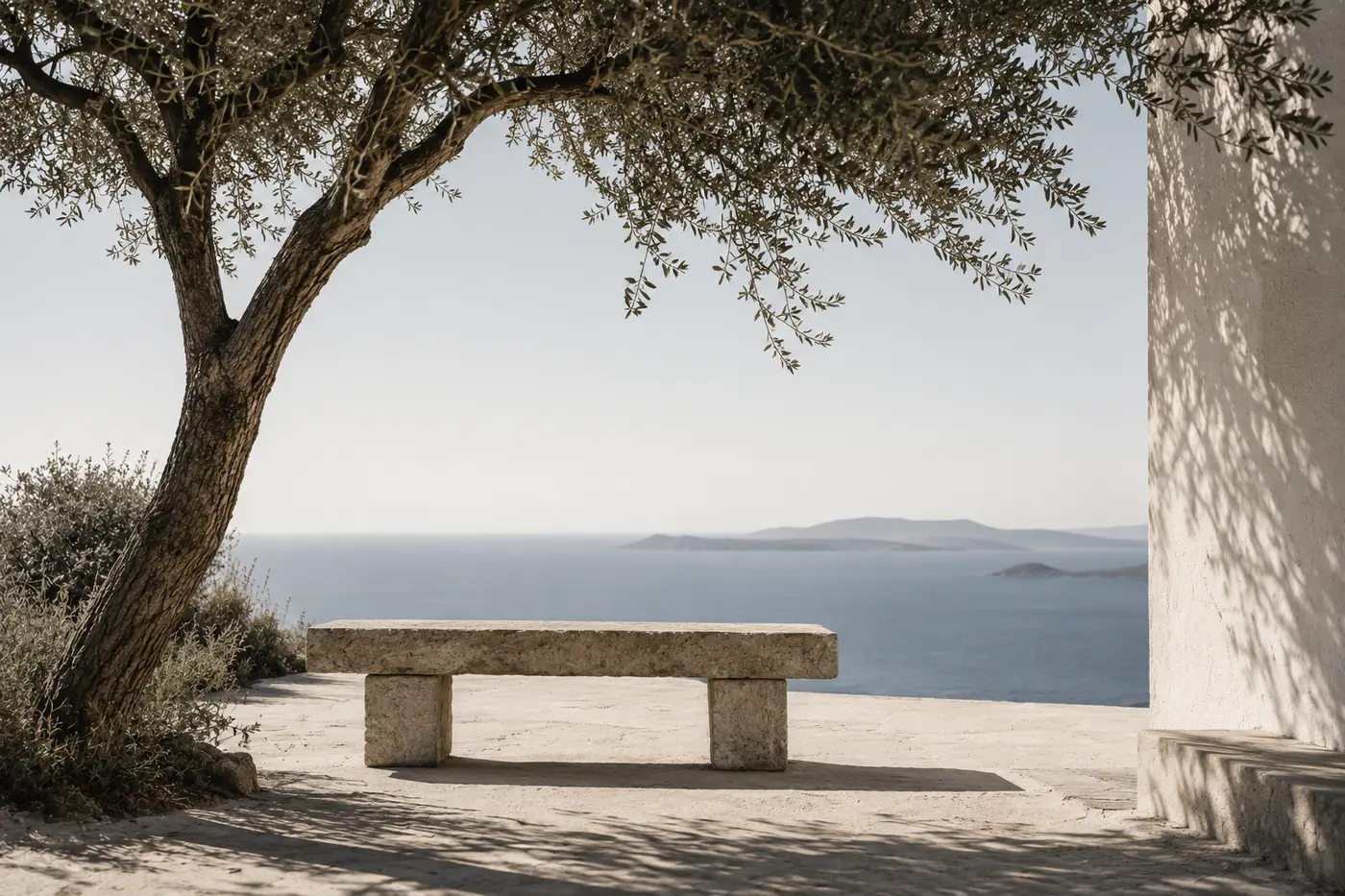
Can an everyday object belong to a place in the same way that a bench belongs to a square?
Read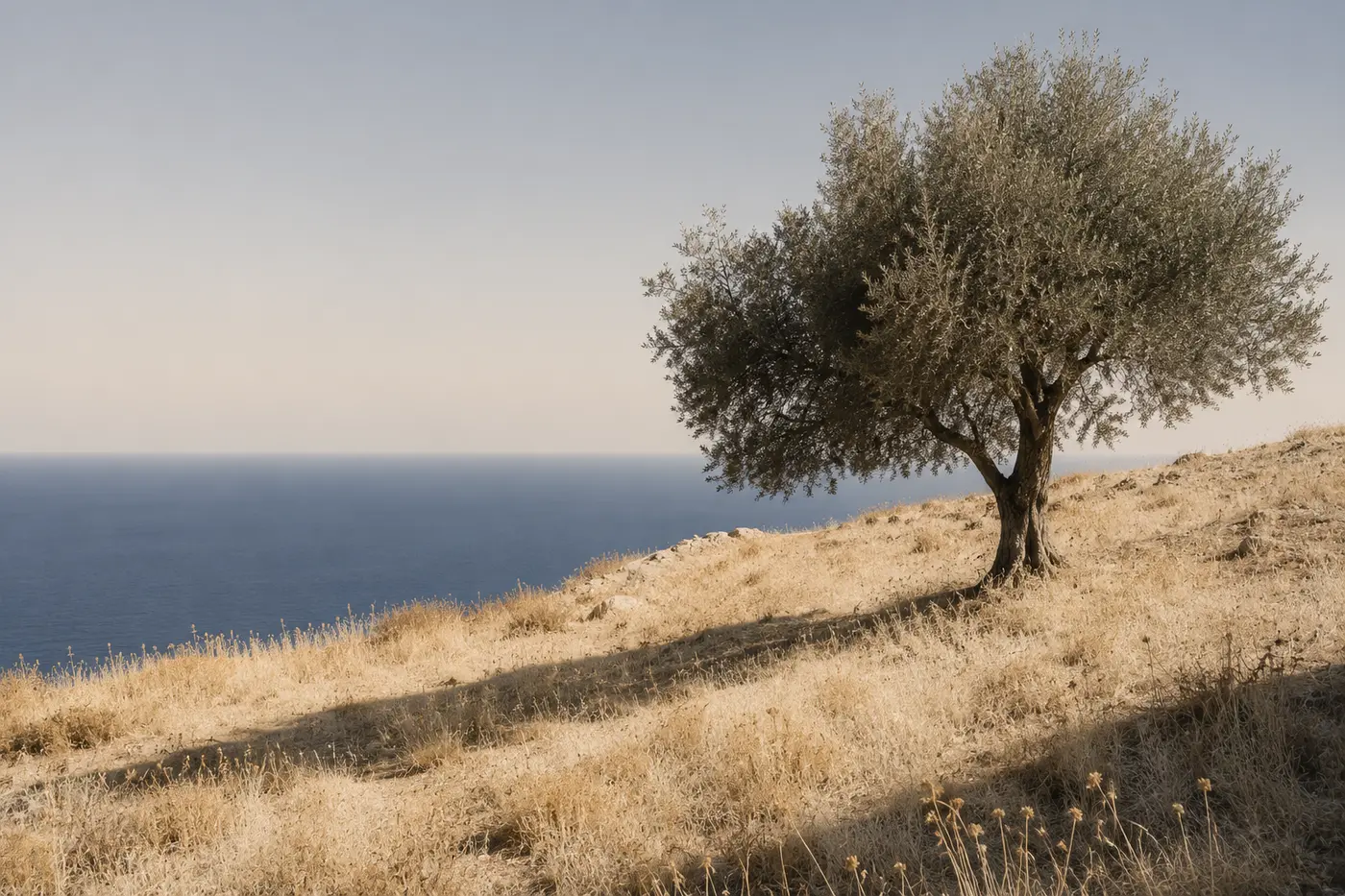
Summer does not only change landscapes. It changes the way we see them.
Read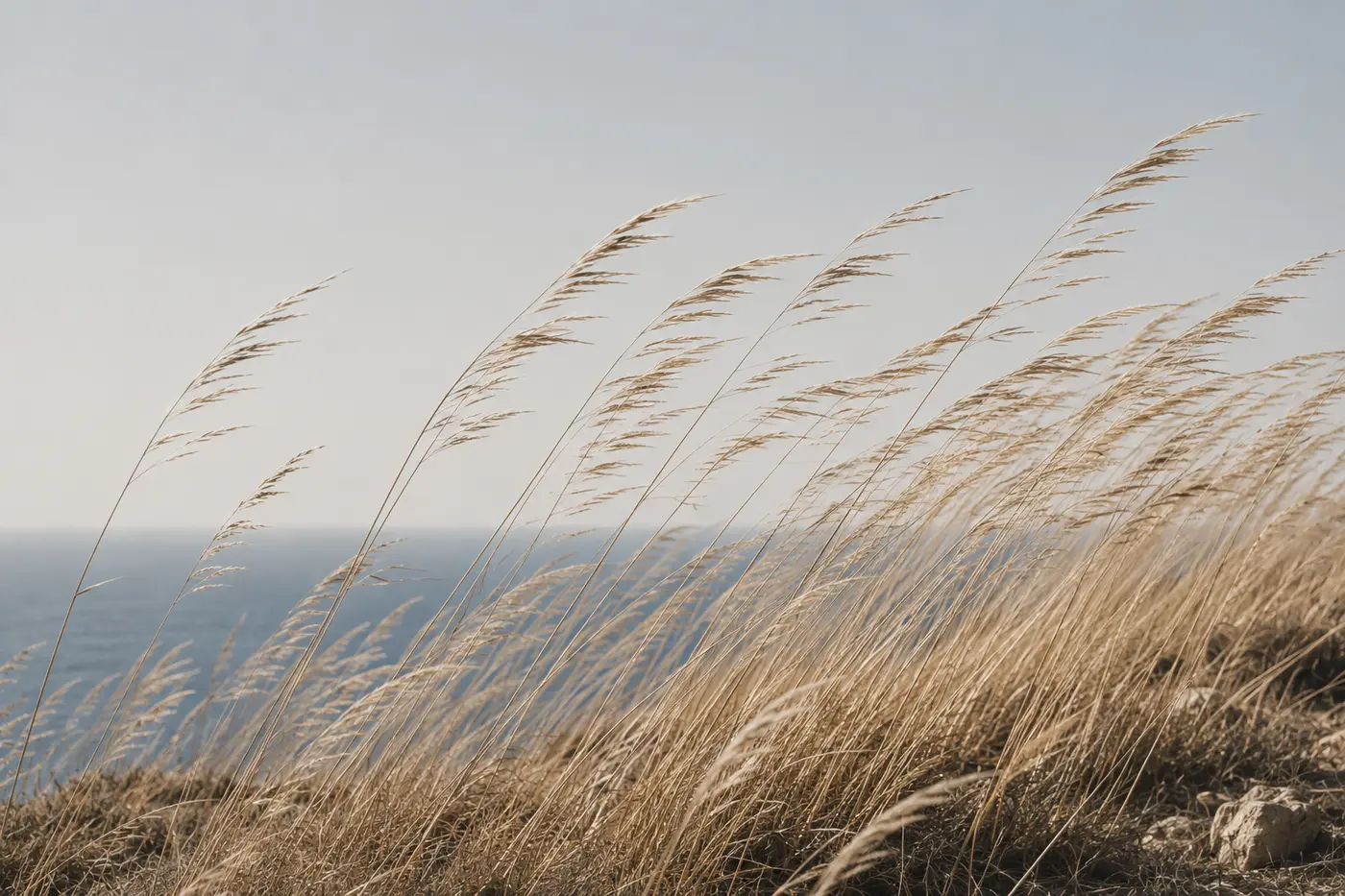
Wind is the only material we design that cannot be seen. We only recognise it through what it moves.
Read
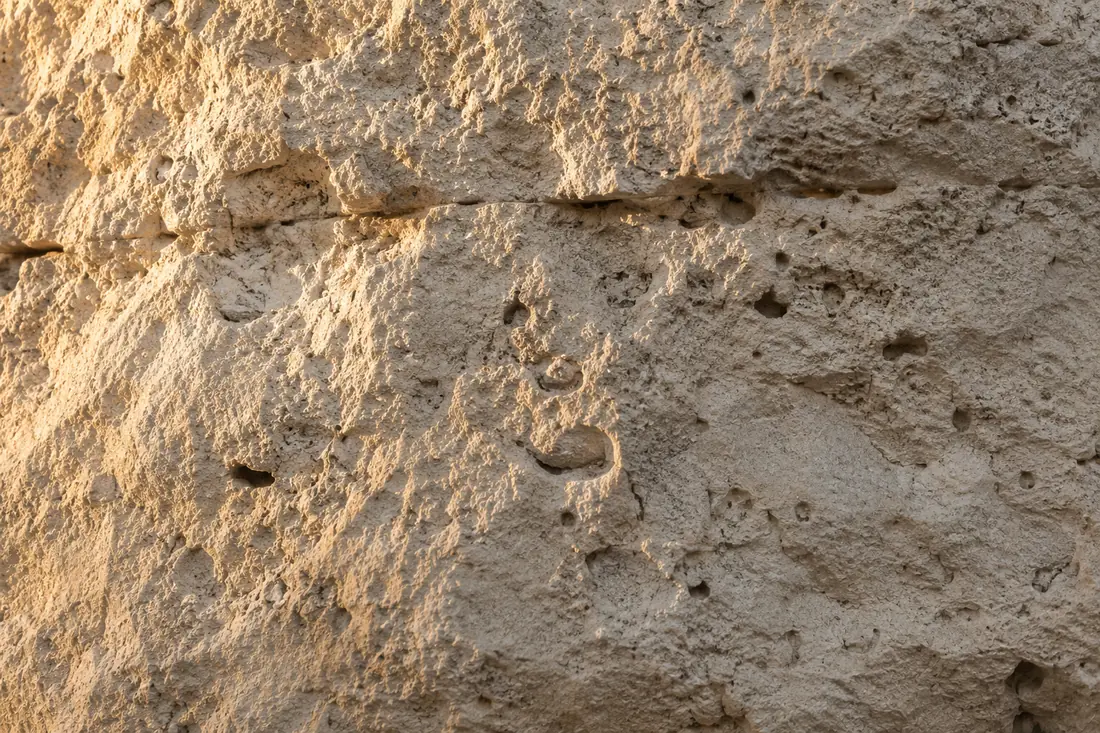
Limestone does not become beautiful when it is new. It becomes beautiful because it survives.
Read
The most difficult design decision is often deciding what not to add.
Read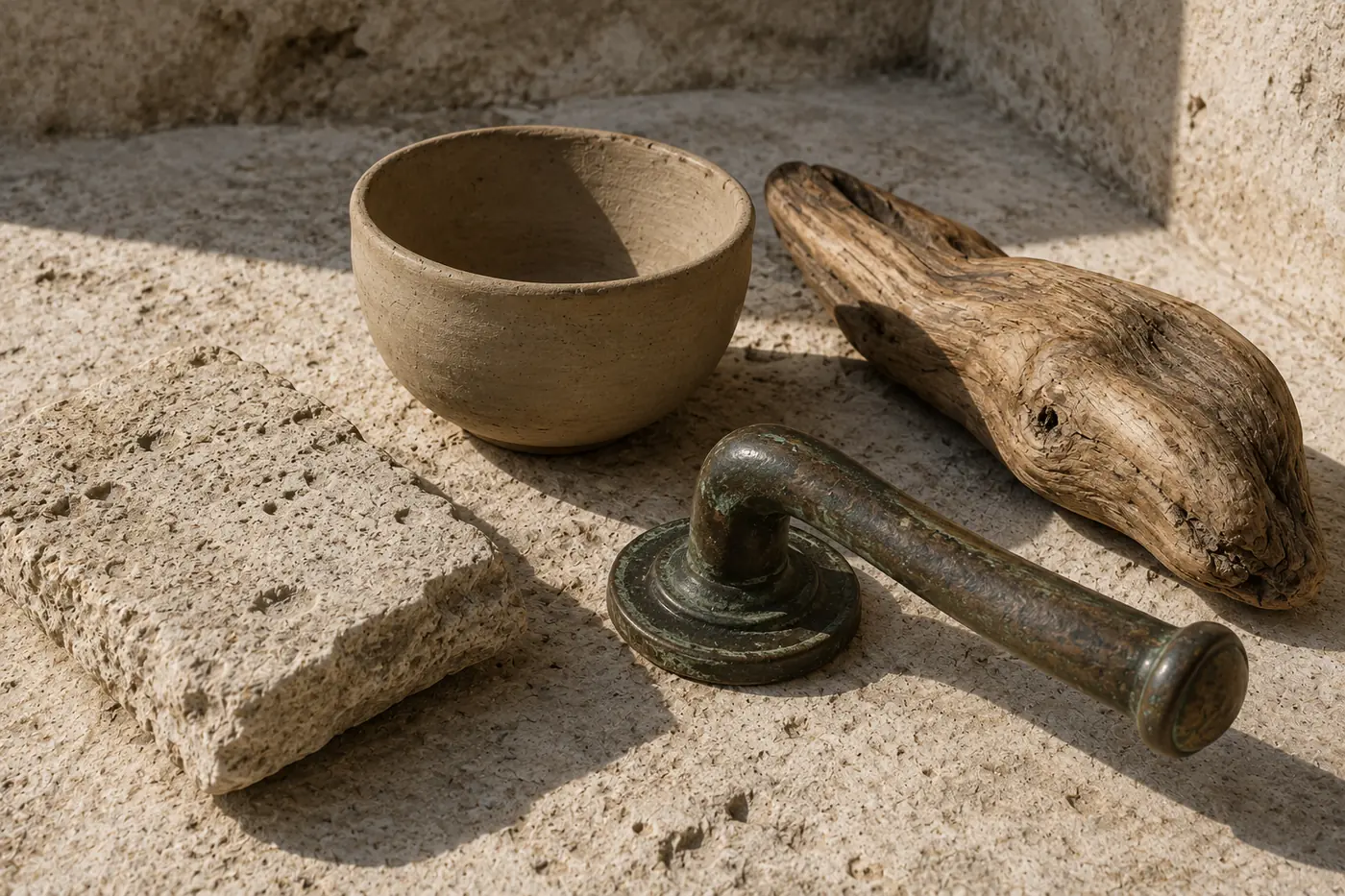
The best materials are not those that remain unchanged. They are those that become more themselves with time.
Read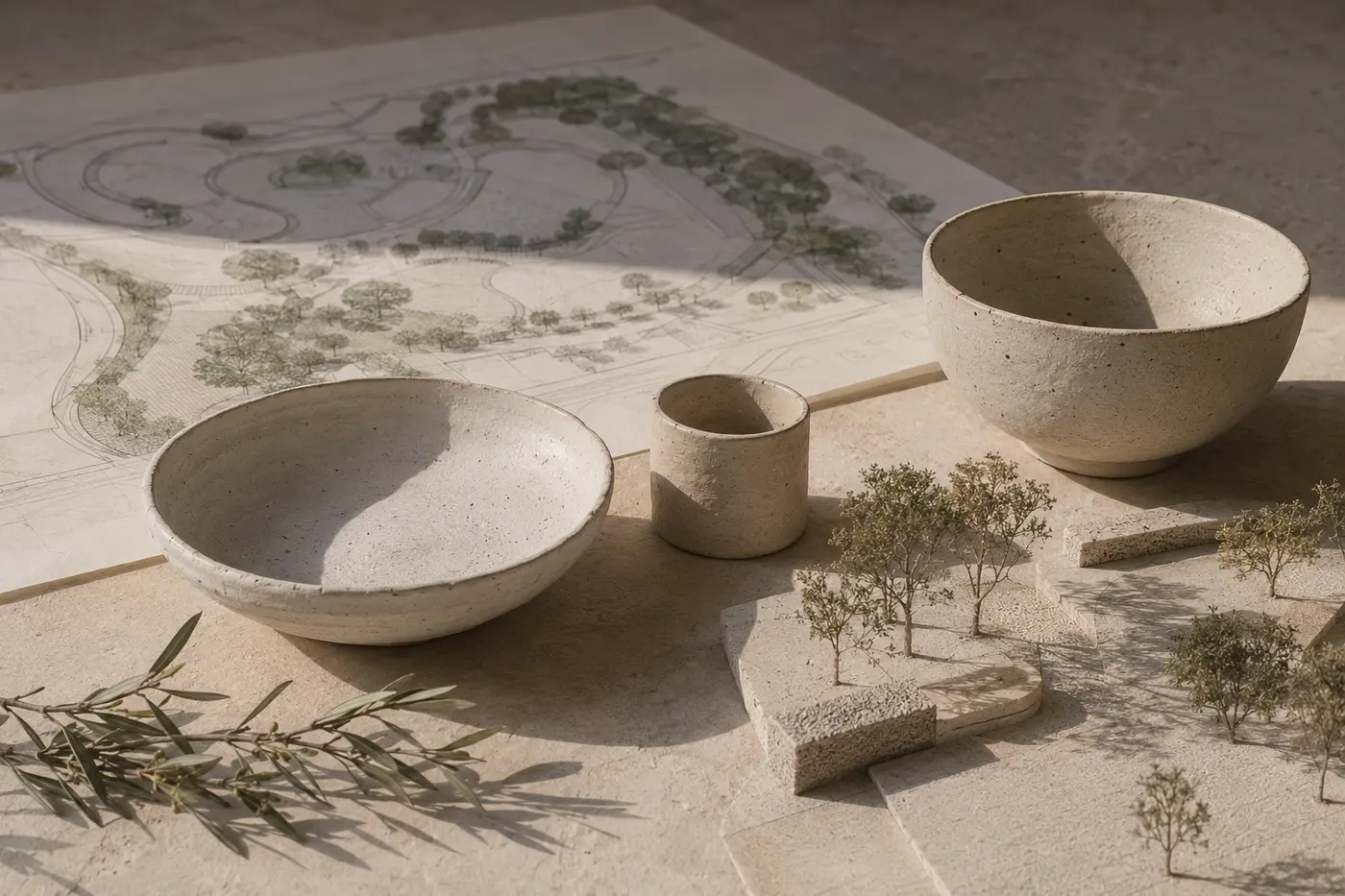
A bowl and a public square begin with exactly the same question: how will people inhabit this space?
Read
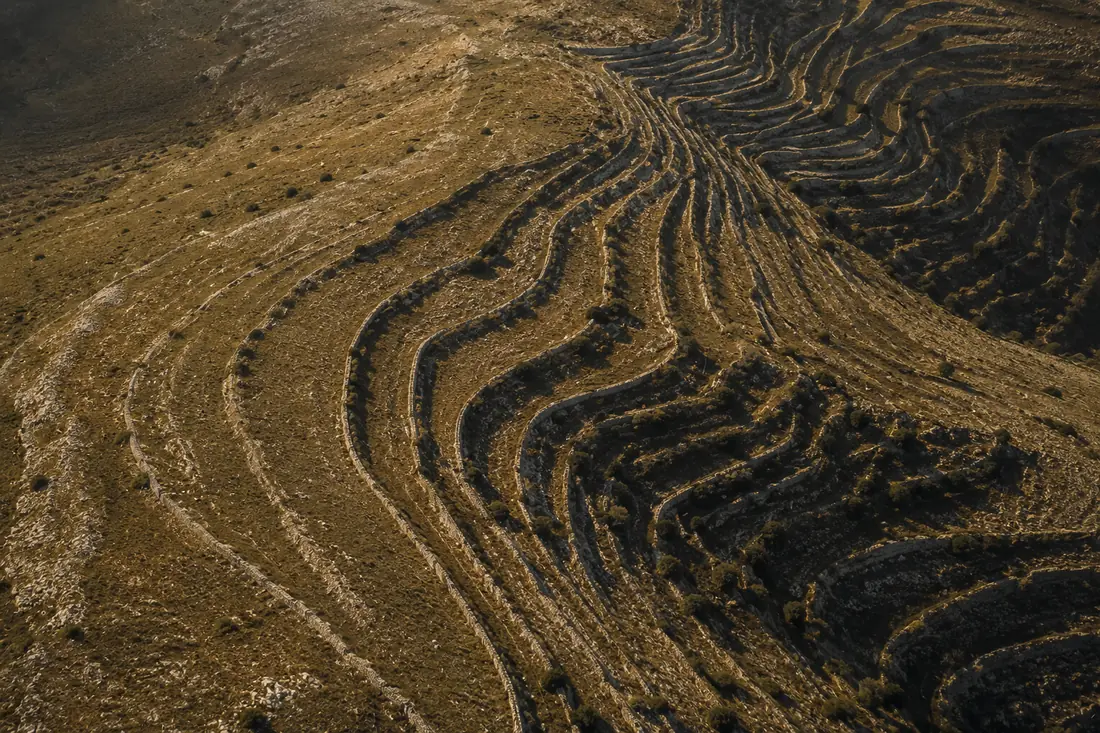
Some objects ask to be admired. Others quietly improve the atmosphere around them.
Read
The repetition is real. The sameness is not. A group of small vessels in Rhodes, and the Small Vase Project.
Read
Foot, body, shoulder, neck, rim. Read in section, a vessel is a small piece of architecture built around empty space.
Read
Centre, edge, territory, movement. One of the smallest landscapes we design every day.
Read
Remove the decoration and some of these objects could belong on a contemporary table. Some forms survive because they work.
Read
A vessel shaped like an animal. A face emerging from a cup. What the humour of ancient objects offers a practice that tends towards restraint.
Read
Move two vases closer and they read as a pair. Separate them and each becomes independent. Space as a material of composition.
Read
A cup. A plate. A jug. An incense holder. Usefulness is not the opposite of creativity. It is where the interesting questions begin.
Read
Heritage as knowledge rather than style. What ancient objects, landscapes and buildings can teach the next Me Meraki objects.
Read