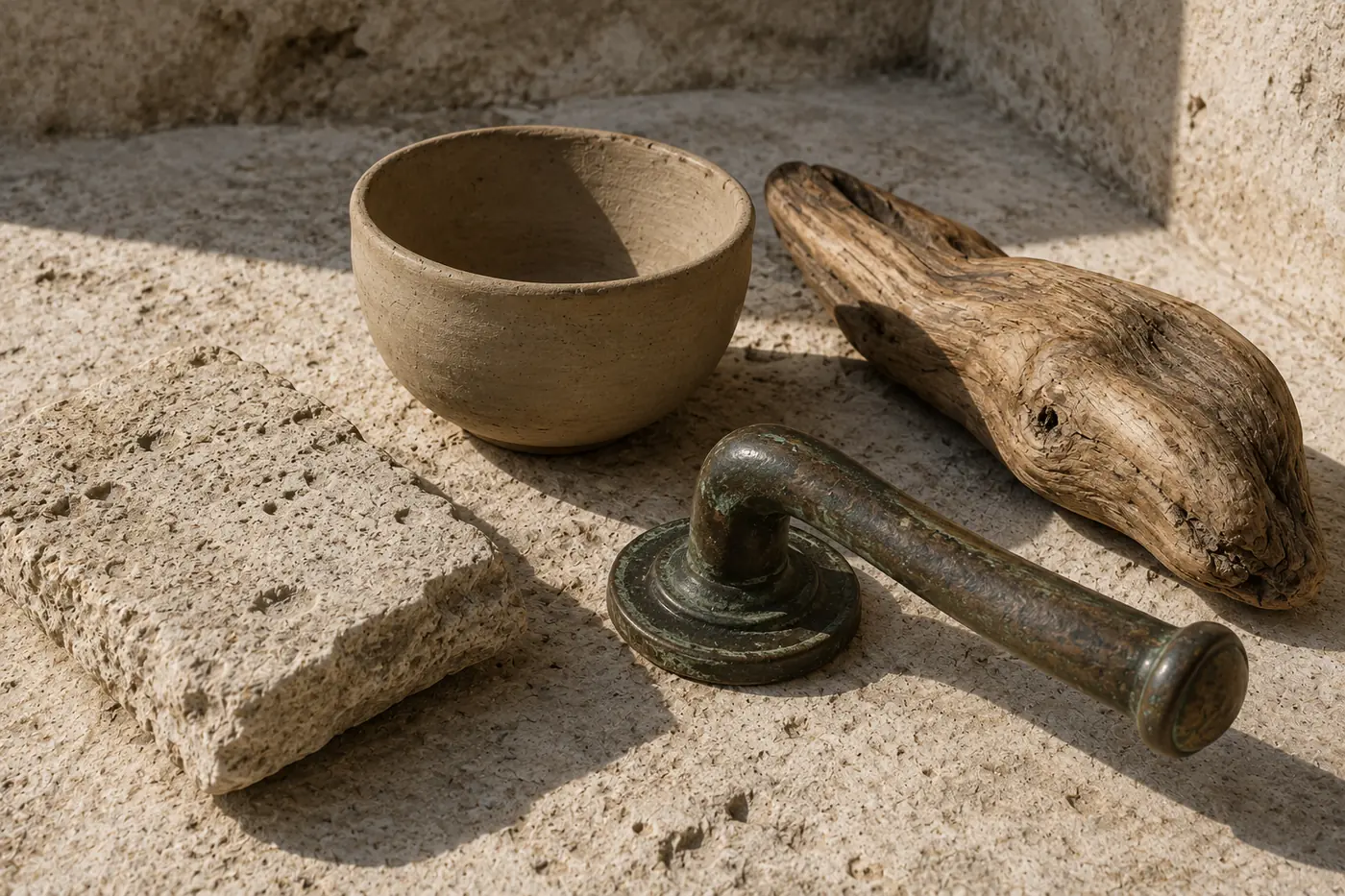
Study 04
Limestone
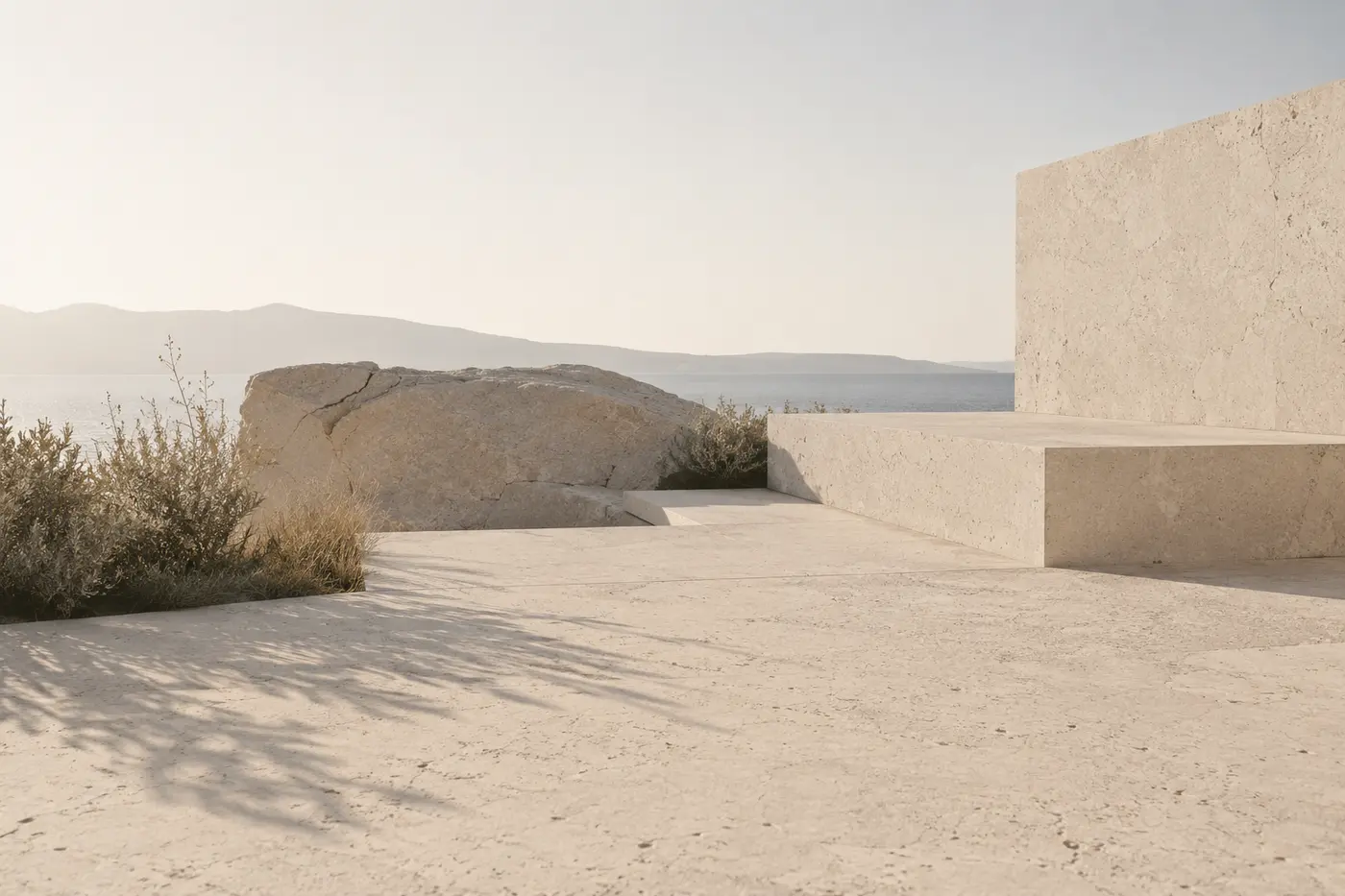
Question
How does porous stone translate into clay?
Observation
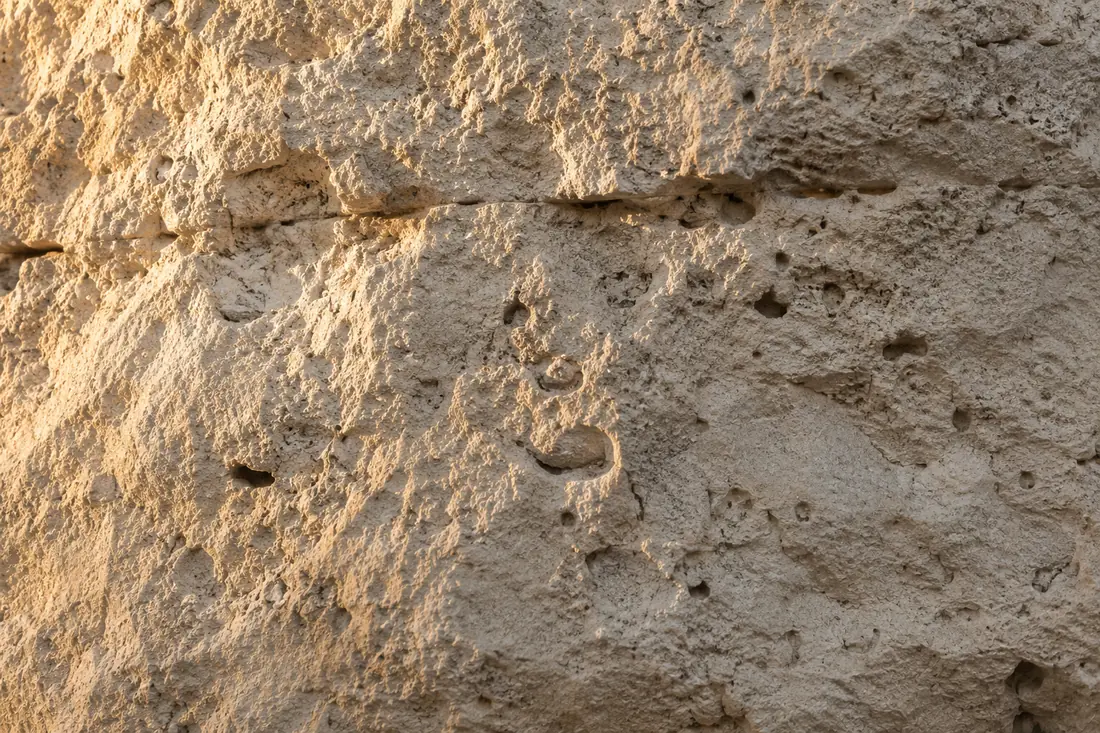
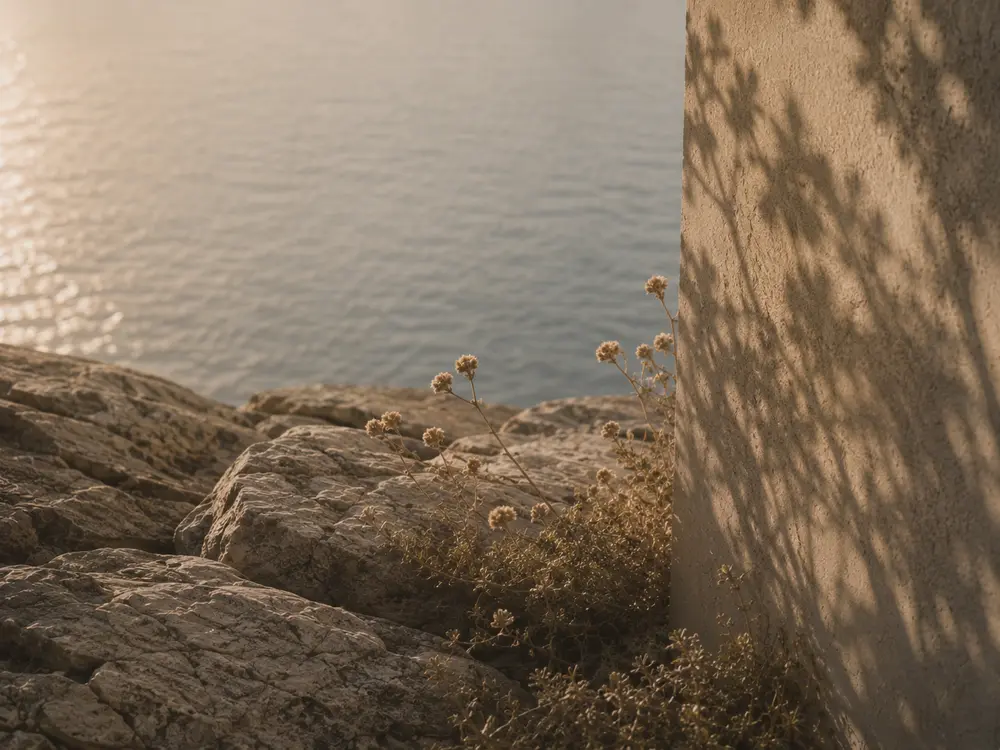
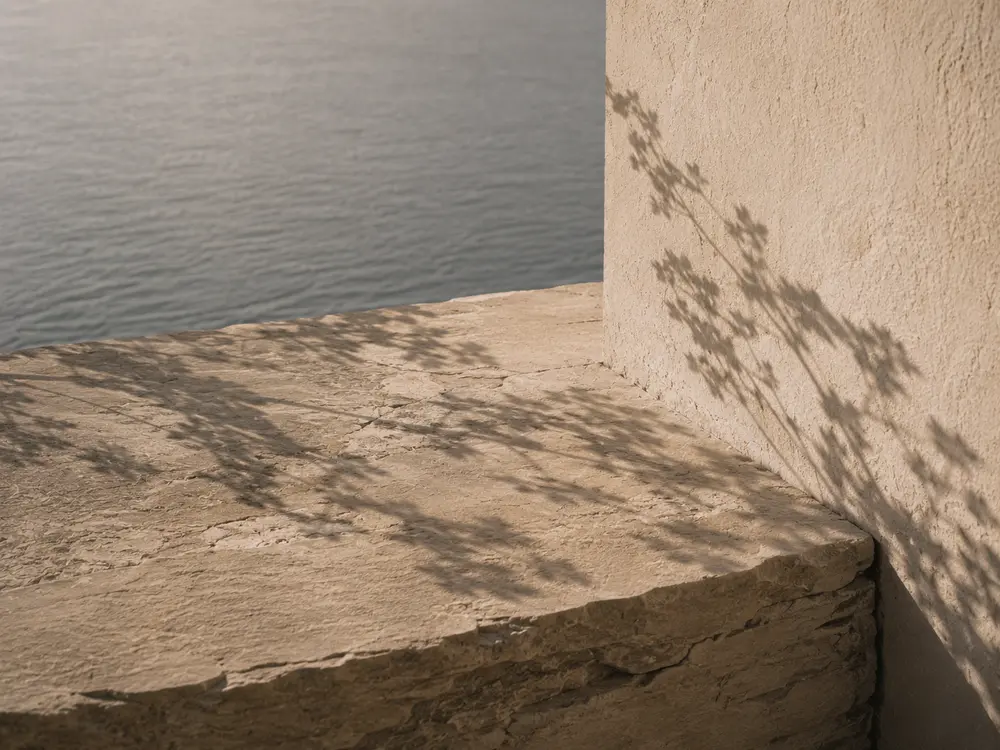
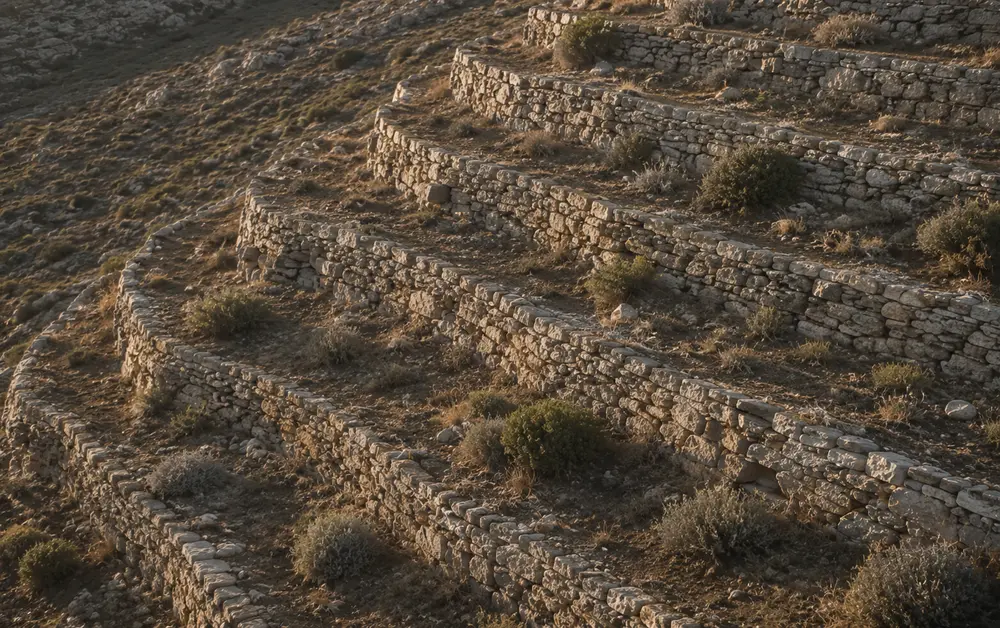
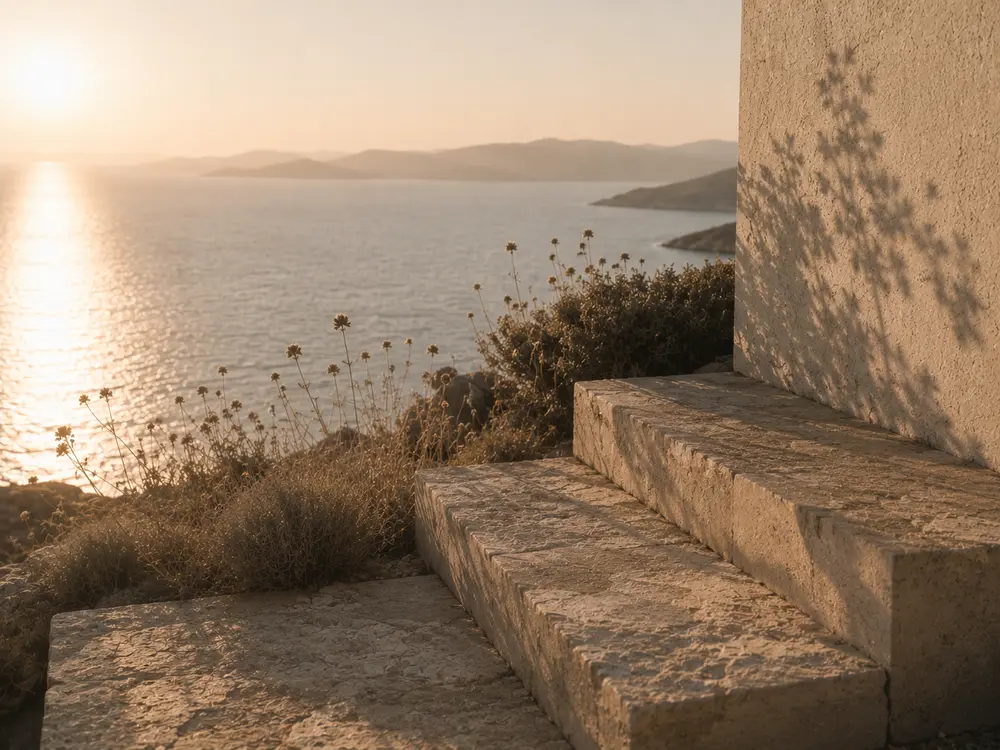
Limestone carries its history as porosity: dissolution voids, fossil traces, weathered crusts. The study documents quarry faces and broken blocks, then works toward clay bodies and surfaces that behave the same way — open, dry, light-absorbing — without imitating stone.
The material question is honesty: the object should be recognisably ceramic while sharing the stone's logic.
Field Notes
Material Tests
- MT–01Aggregate series — graded inclusions burned out in firing to produce controlled voids.
- MT–02Crust surfaces — slip layers worked after leather-hard stage.
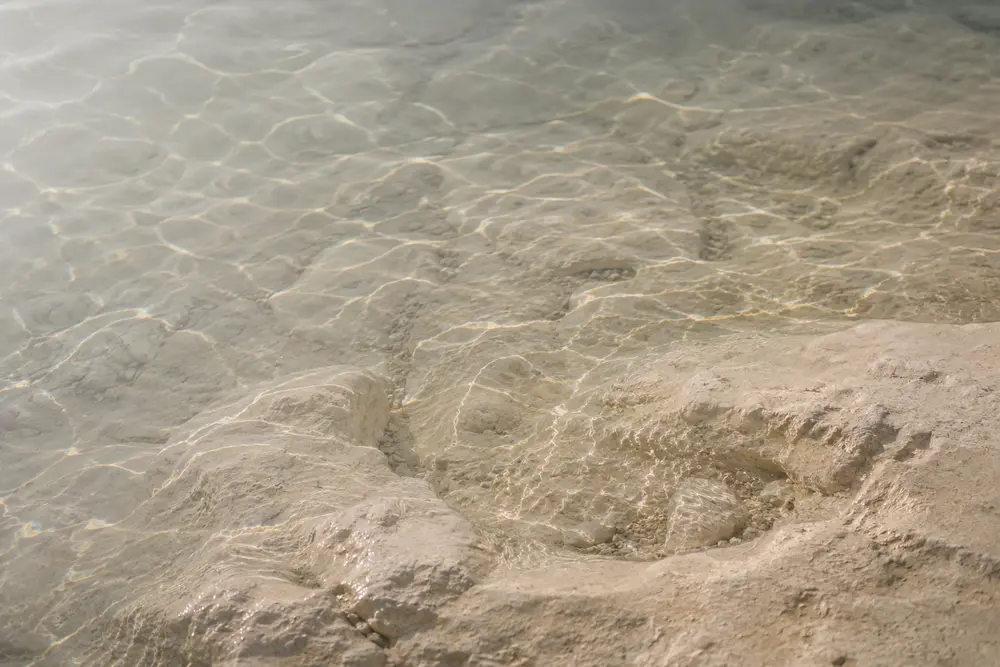
- MT–03Absorption — water uptake and drying marks on the selected bodies.