Study 02
Cycladic Wind
Question
How can exposure and erosion become geometry?
Observation
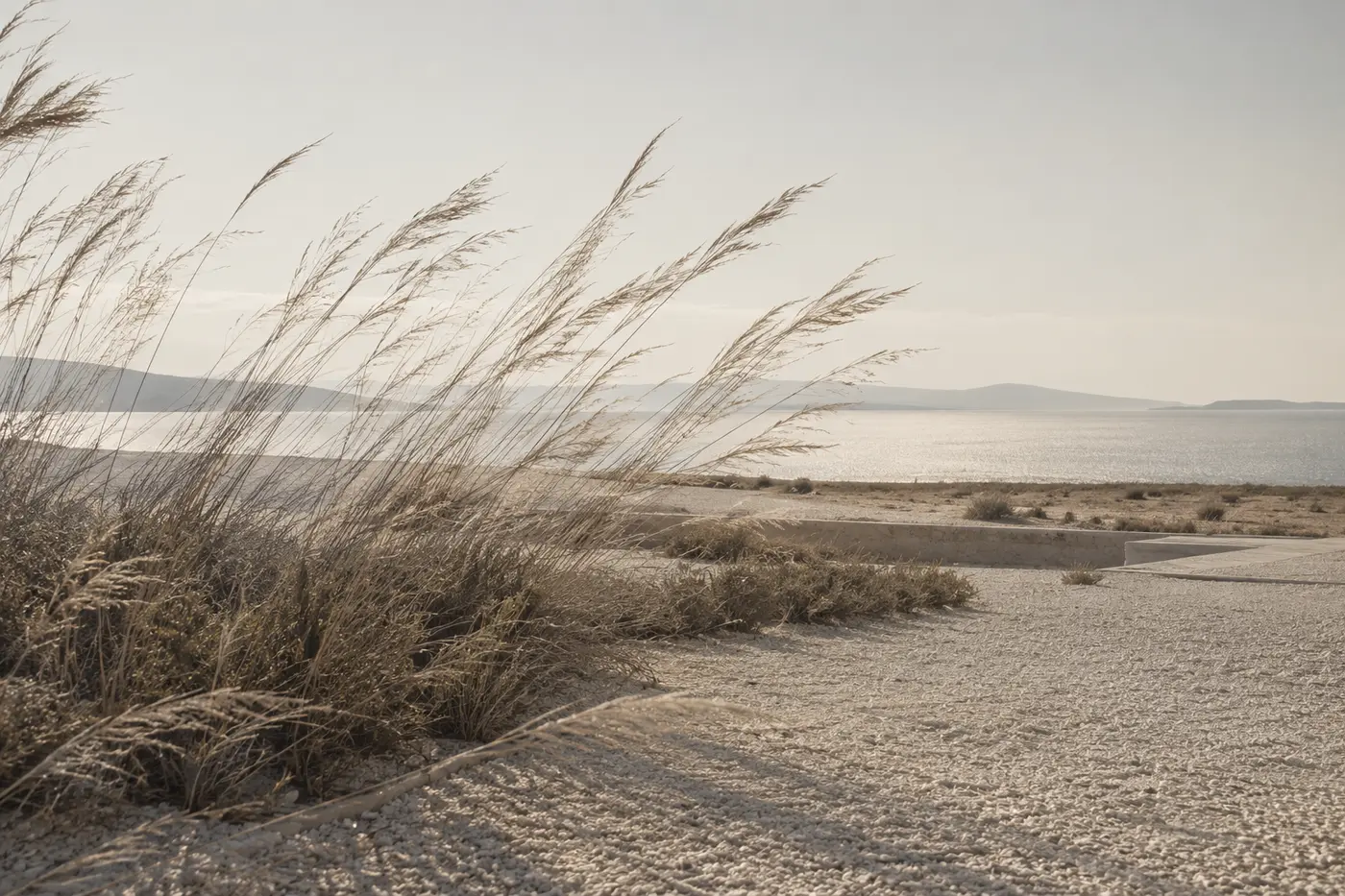
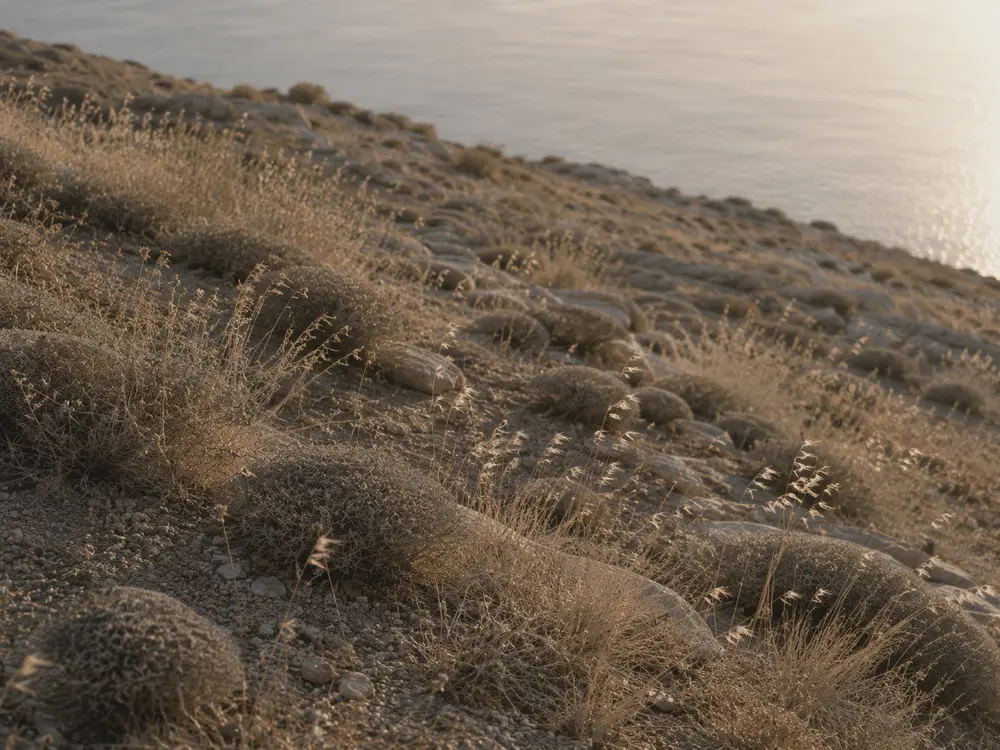
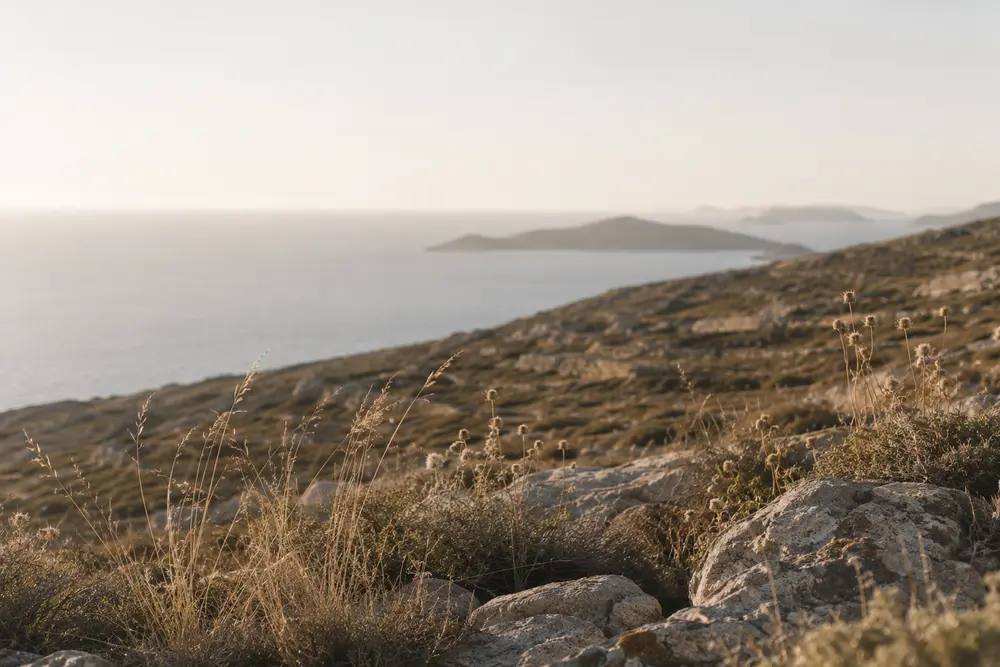
Coastal rock in the Cyclades is shaped by a single persistent force. Edges facing the meltemi are rounded and striated; sheltered faces stay angular. The study records these asymmetries and translates them into vessel profiles where one side is 'exposed' and the other is not.
Erosion is treated as a drawing instrument: material is removed after forming, in the direction a prevailing wind would take.
Field Notes
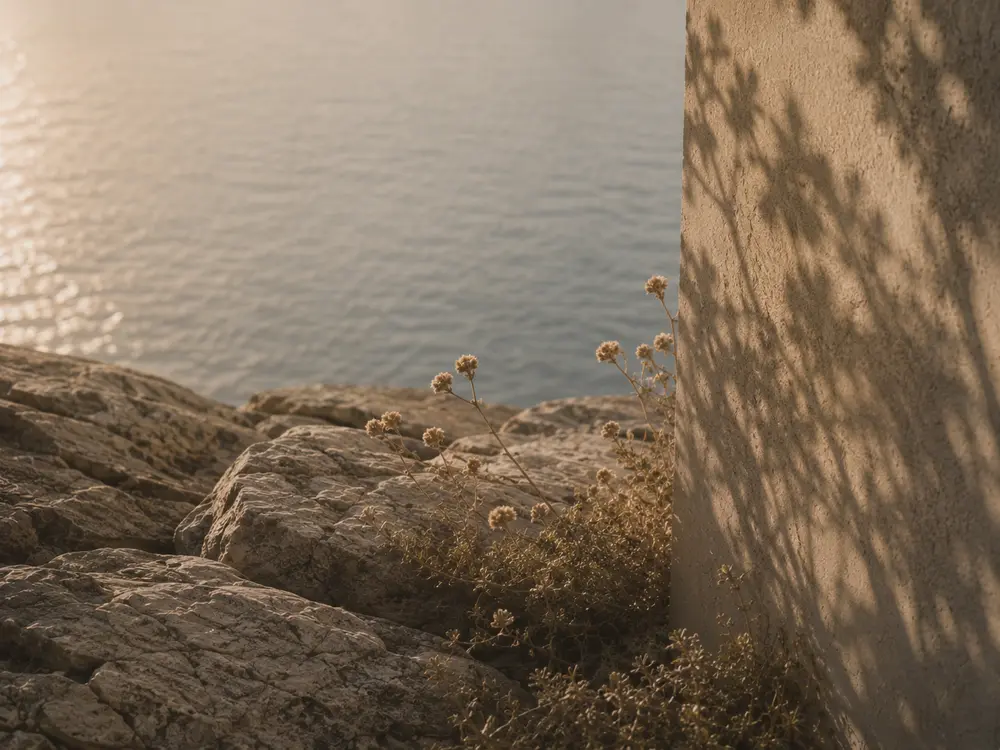

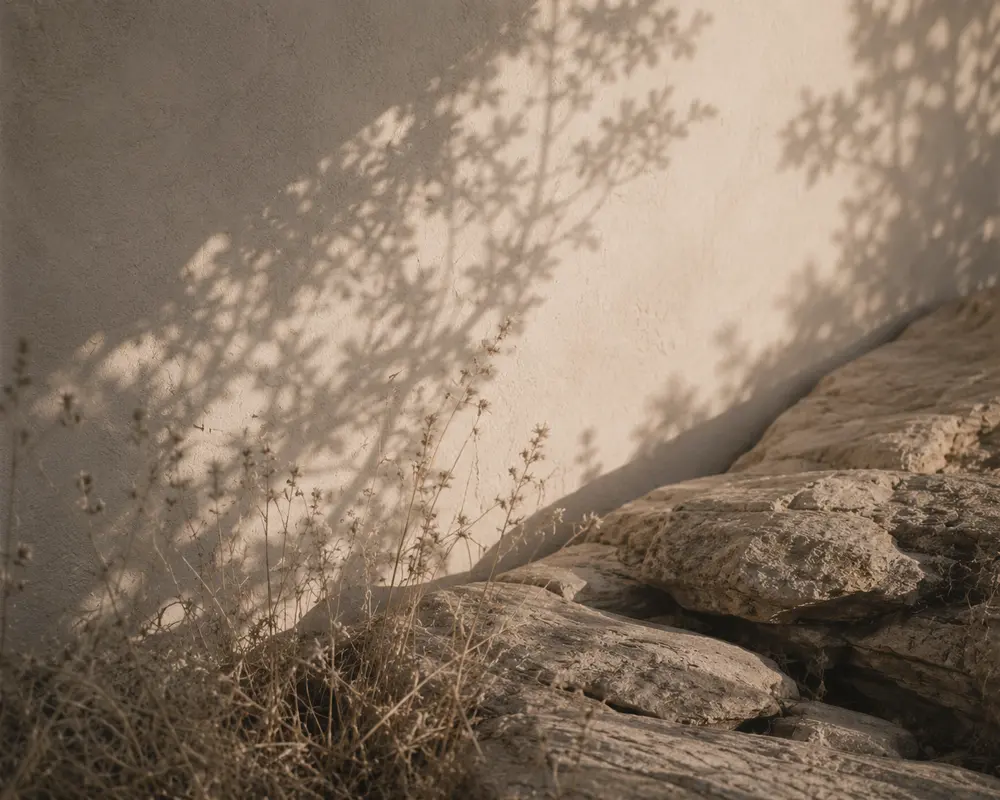
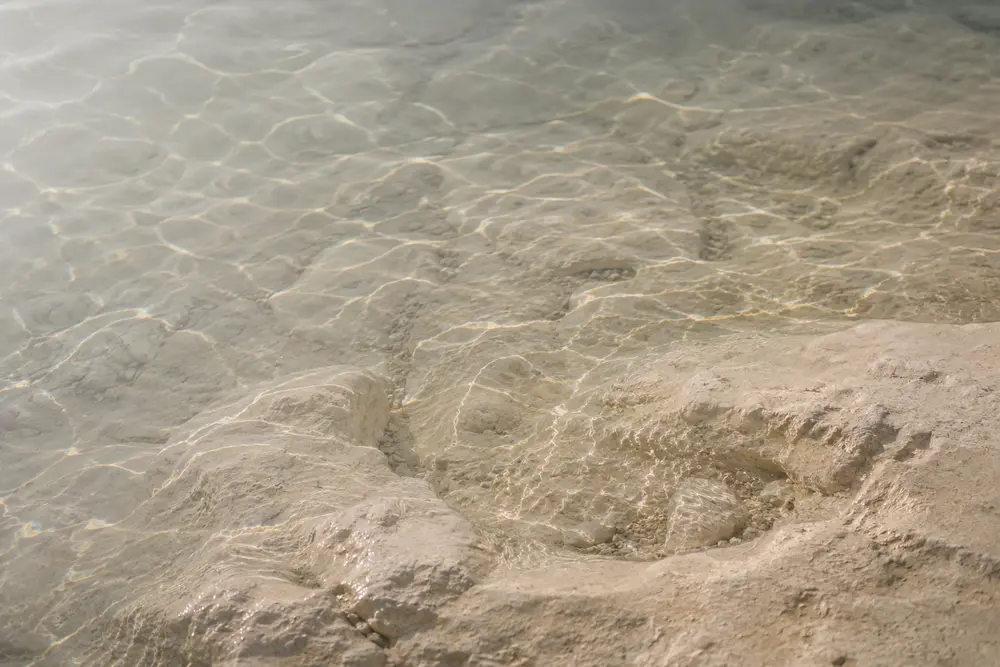
Material Tests
- MT–01Directional abrasion — leather-hard removal with graded abrasives, one fixed working direction per piece.
- MT–02Asymmetry series — identical thrown forms, altered on one axis only.
- MT–03Surface memory — how firing preserves or softens the abraded striations.